Goormthon 9th in Jeju
Why I applied
I had known about Goormthon for a long time, but I had never applied. I kept worrying that I would apply, fail to pull my weight, and only hurt my teammates. Then I got a job, and a year flew by. Since I hadn’t done any real side projects after starting work, I started thinking in 2024 that I should begin something. Right then, Instagram kept showing me Goormthon 9th cohort recruitment as if it had read my mind. I wasn’t expecting much, but I suddenly got a text message. In the end, I had to decide within a day to take 4 days of PTO and tell them I was going. A hackathon in Jeju? Yep, I chose romance.
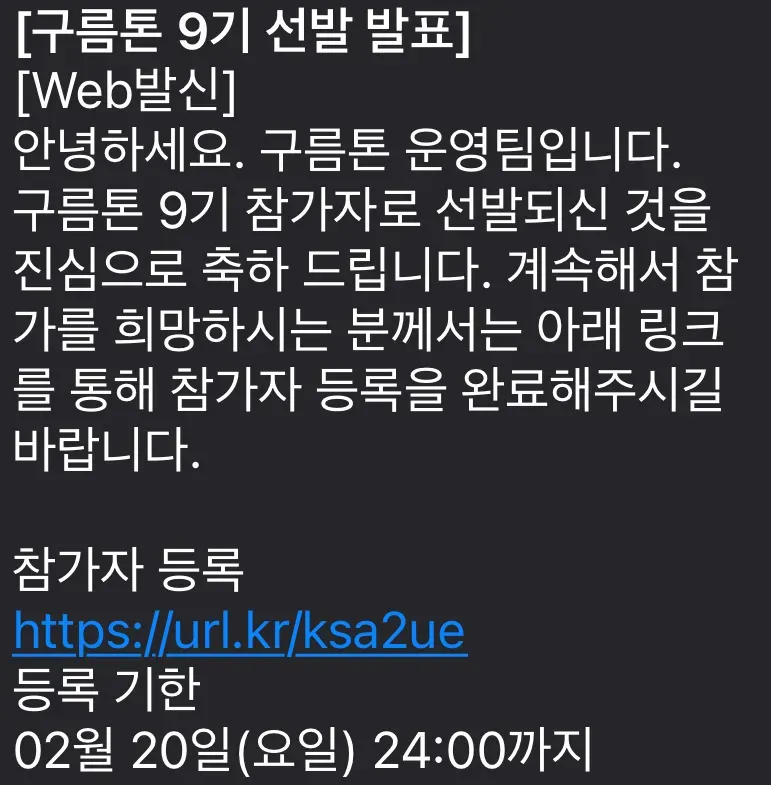
0️⃣ Day
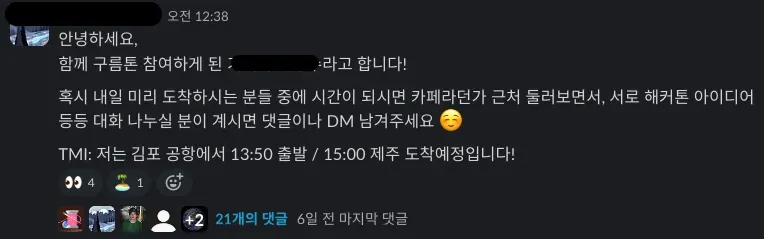
Once your participation is confirmed, you get invited to the Slack. You can ask questions freely, and it’s common for participants to share a hotel and book together since lodging is provided by Goormthon from day 2 of the training. In the 9th cohort there was an off-line meetup too, so I got to talk with people from various roles before training started. In my case, I heard people were going to do their self-intro PR pages, so I rushed to update mine so my PR wouldn’t flop. During Goormthon, after team building, there’s barely any time to talk with others, so if you can, I absolutely recommend talking with as many people as possible.
1️⃣ Day
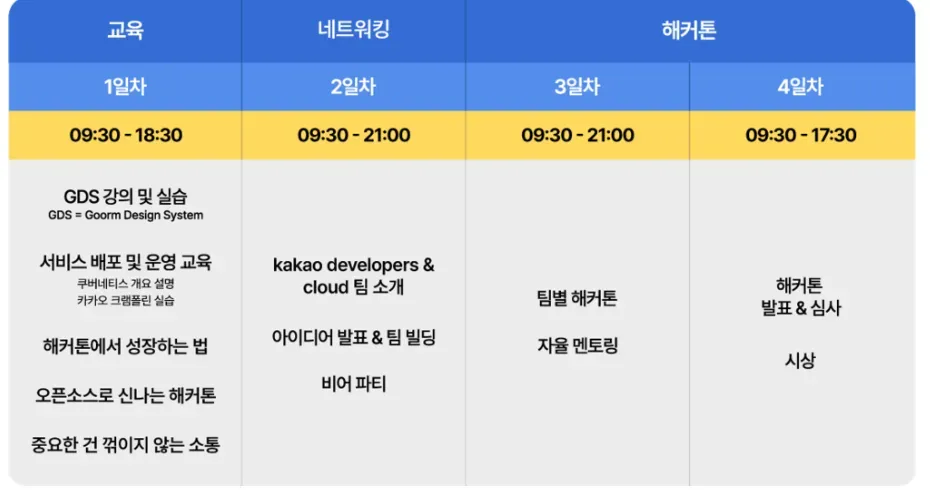
From the Jeju City Hall area, it takes about 30 minutes by public transport to the day-1 training venue, 구름스퀘어. On day 1, there’s training and everyone does their own PR. The schedule looked roughly like this.
1. Ice breaking
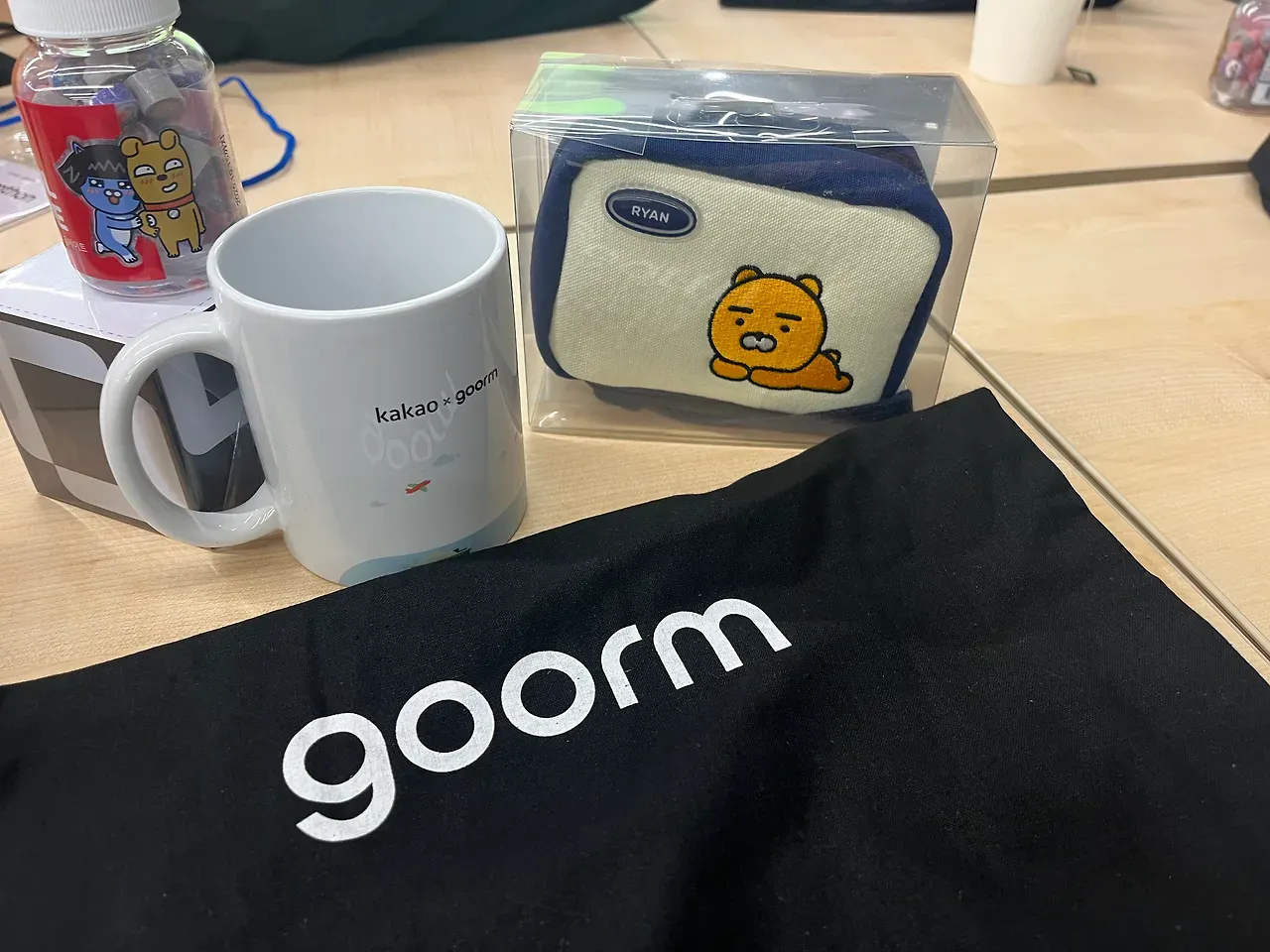
Teams are formed randomly and you play mini games. Ours was a speed quiz! Our team won and got prizes like the ones below, haha.
2. Self PR
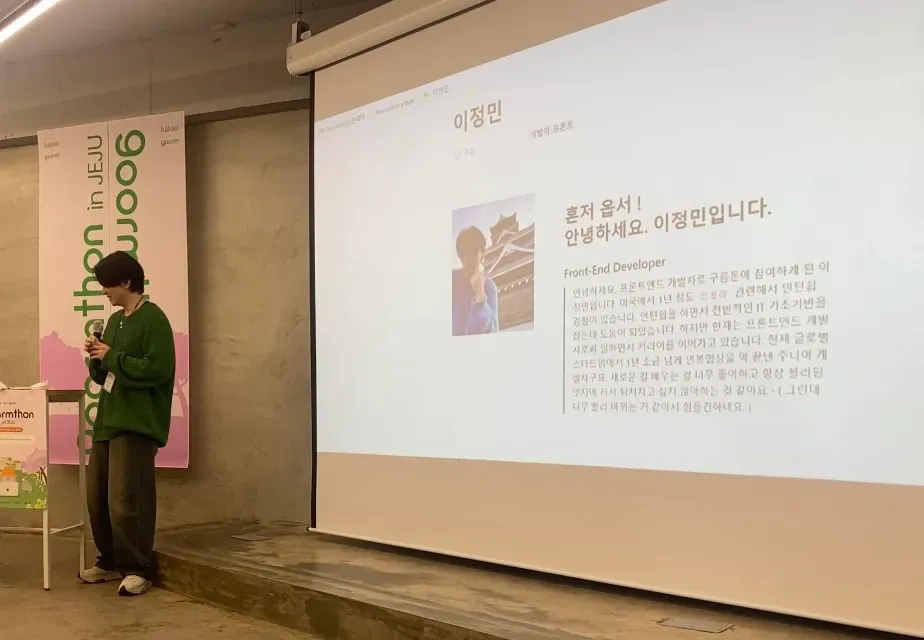
You have to promote yourself with a single Notion page. If it’s too ordinary, people won’t remember you, but with so many participants, that’s kind of inevitable. From what I heard, people keep separate notes on the folks they’ve marked.
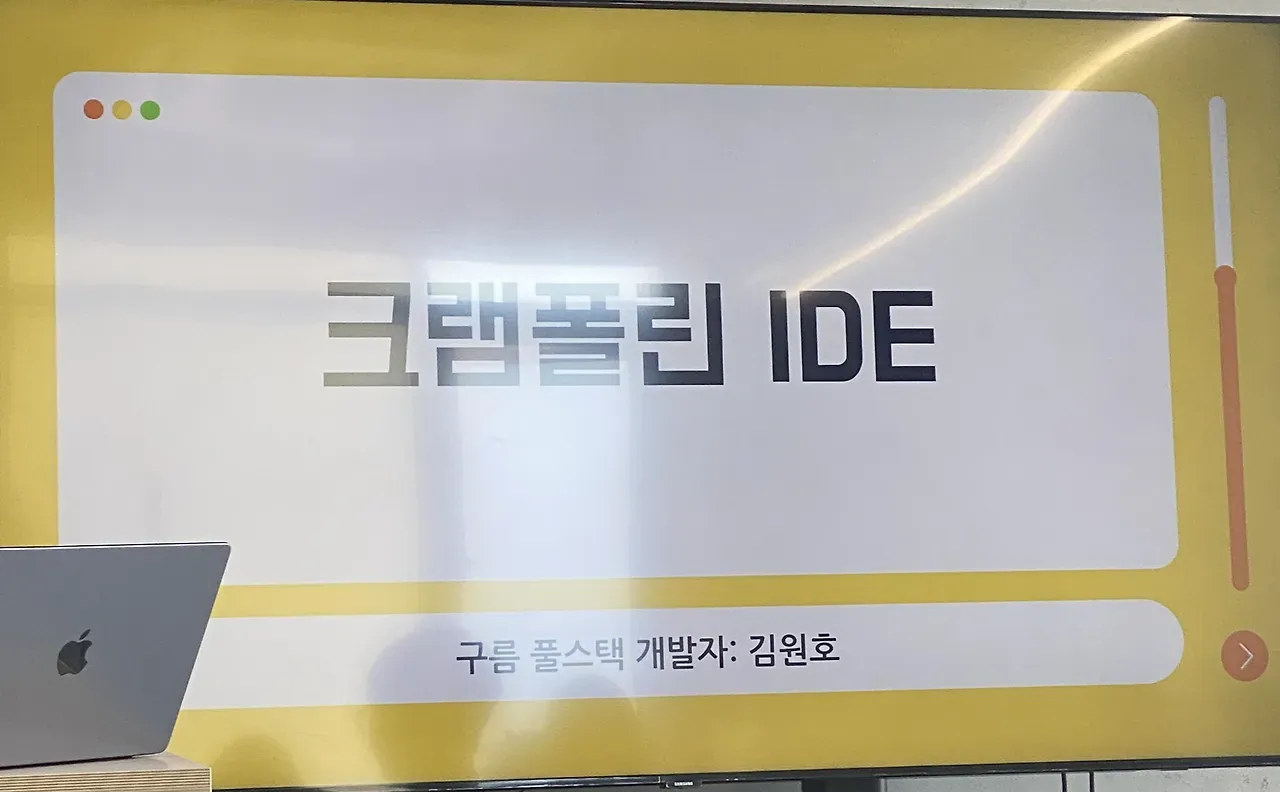
3. Goorm Design System or Clampholin IDE hands-on training
I chose the Clampholin IDE training because I lacked basic knowledge around deployment and wanted to learn. It definitely helped later when we tried to deploy during the hackathon. We were told on Slack to review in advance, but… most people (including me) didn’t.
4. Talks by mentors and judges
How to grow through hackathons
They talked about what it means to grow through hackathons, showing graphs and simple stats, and also mentioned things you shouldn’t do during a hackathon.
A thrilling hackathon with open source
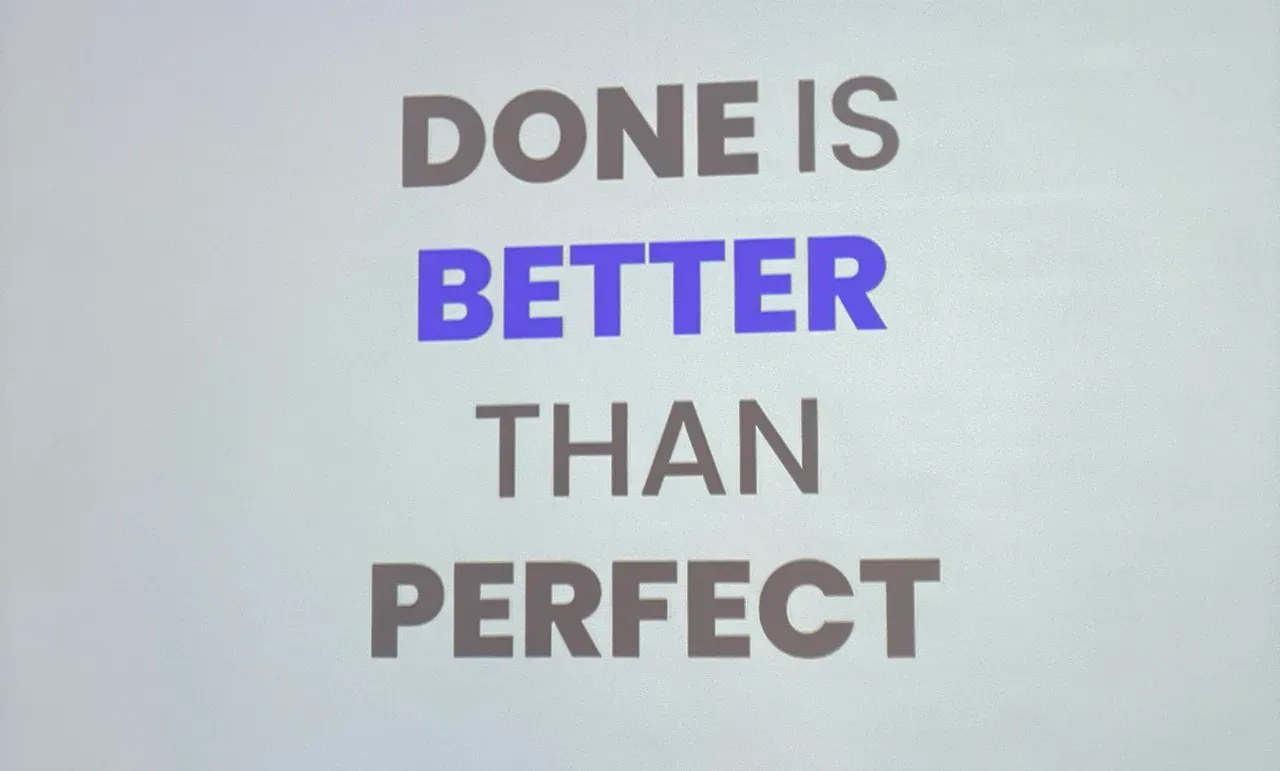
The line I remember most was
Stand on the shoulders of giants. Most of the features we want are already implemented somewhere, so use them well during the short hackathon window. I also didn’t know Kakao had AI-related APIs, so I got curious and read the docs.What matters is unbreakable (AI) communication
They showed everything from OPENAI’s newly released
SORAto various LLM models and prompt techniques. At that moment I thought, so this is them telling us to useAIin this hackathon.
5. Keyword announcement
The topic was the same as cohort 8:
Smart Tourism (Generative AI). I hoped it would be different this time, so it was a bit disappointing.
2️⃣ Day
- KAKAO Developers page and API introduction
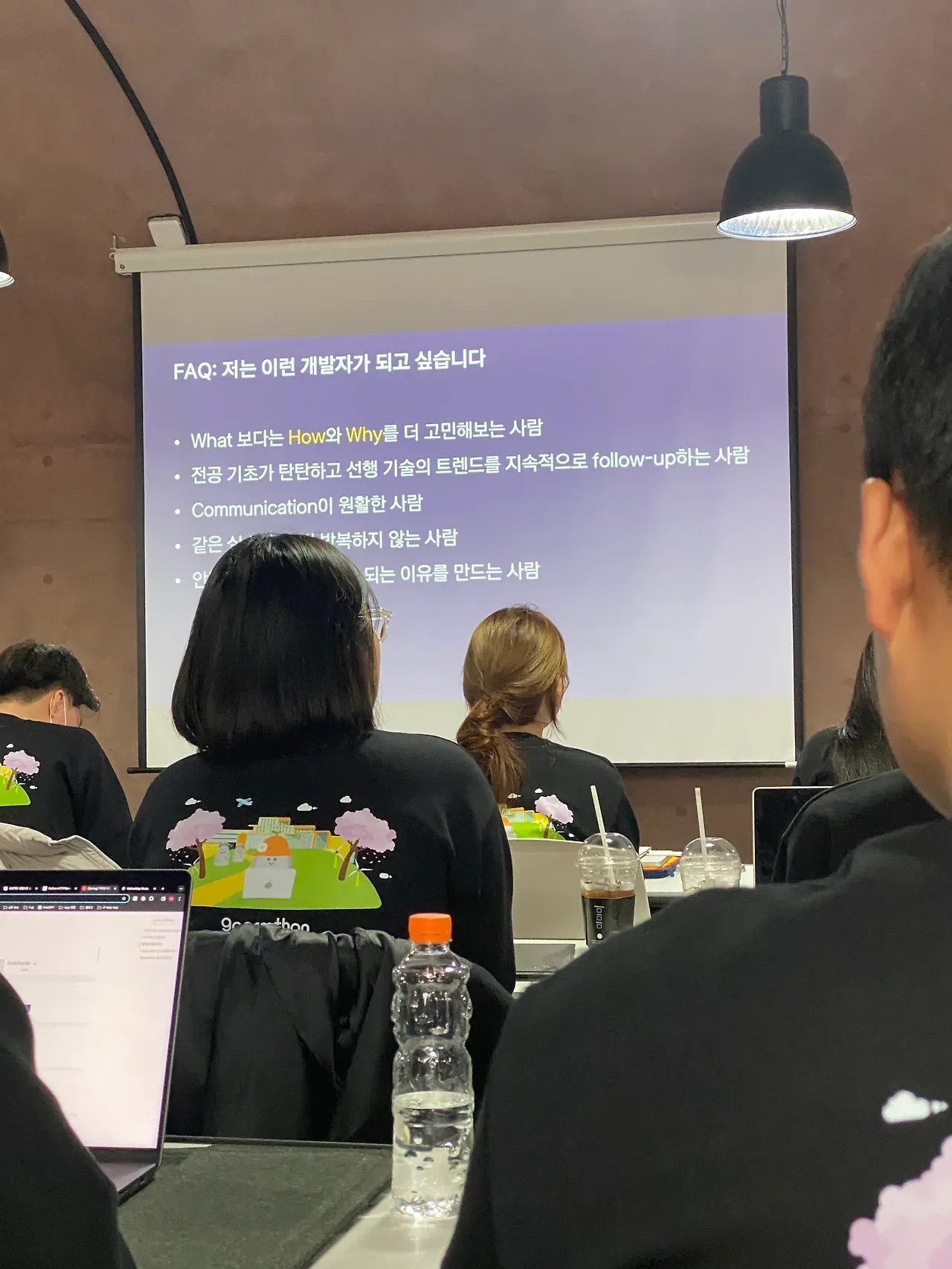
- Cloud Team and what makes a good developer…
They talked about KAKAO along those lines. Please wait… 3 years.
The long-awaited ideation (IDEATION)
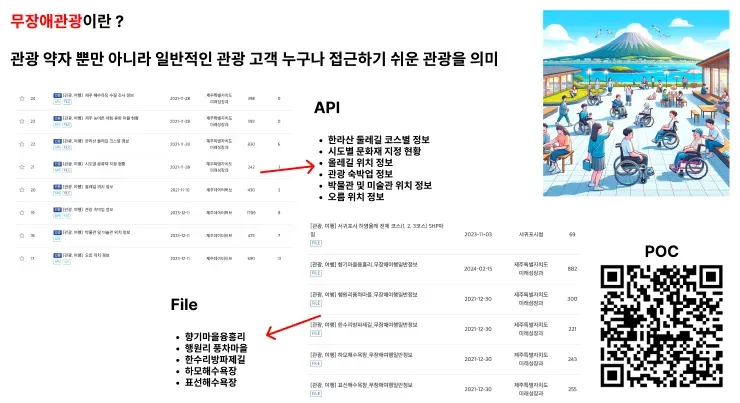
My idea was to use OPENAI to organize data about accessible tourism. I wanted to clean up the hand-written data that hadn’t been structured and build information about accessible spots in Jeju. But later I realized it lacked romance.

I saw someone else’s idea and fell for it immediately. It was a fresh and fun idea called Swipe Jeju. I slid into Slack before the pitches were over, and we became a team. lol
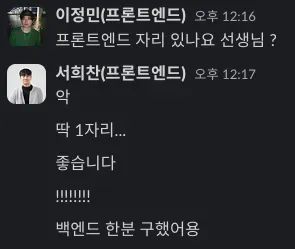
Team building is first-come, first-served, so if an idea clicks with you, run for it immediately!
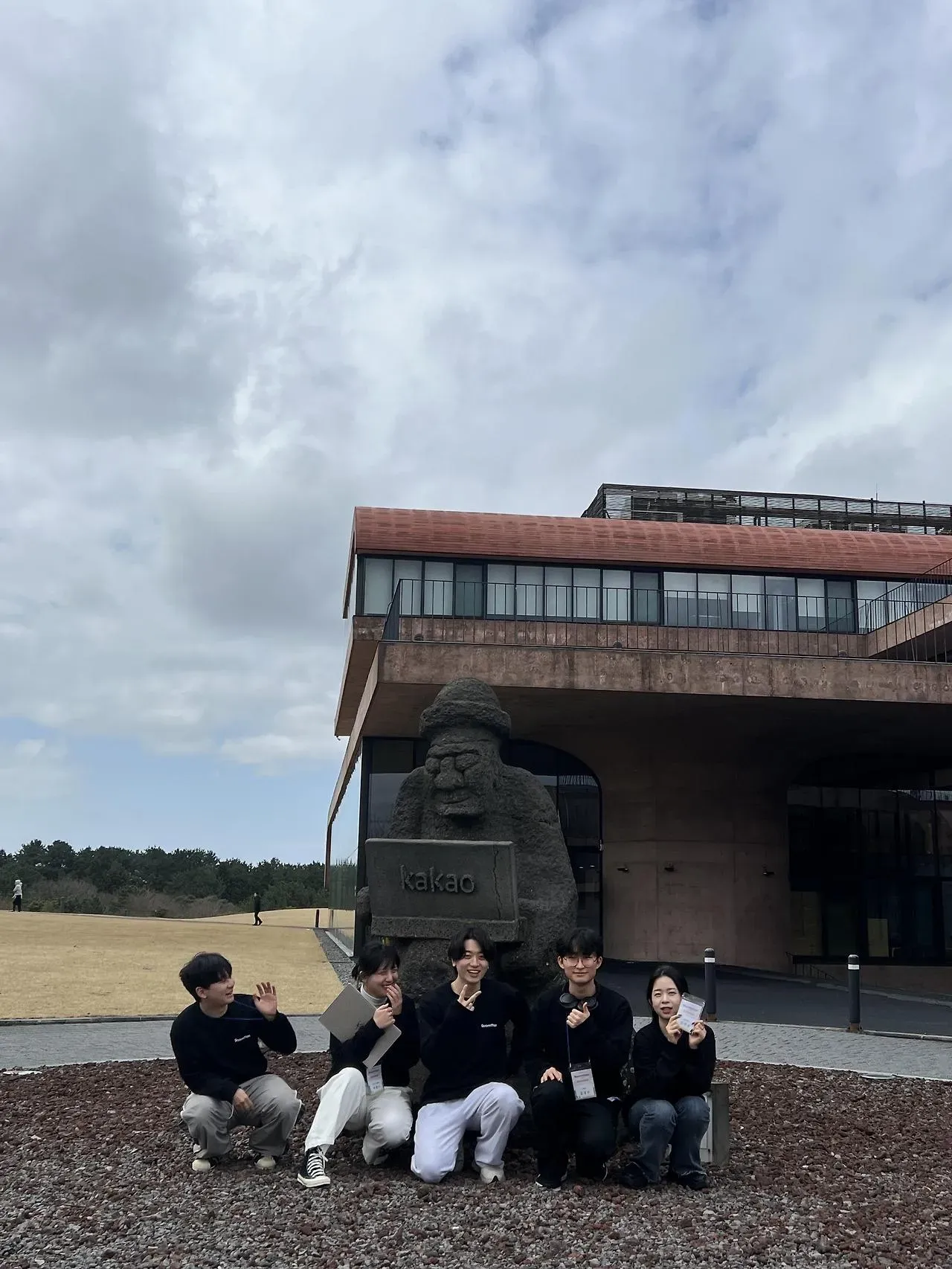
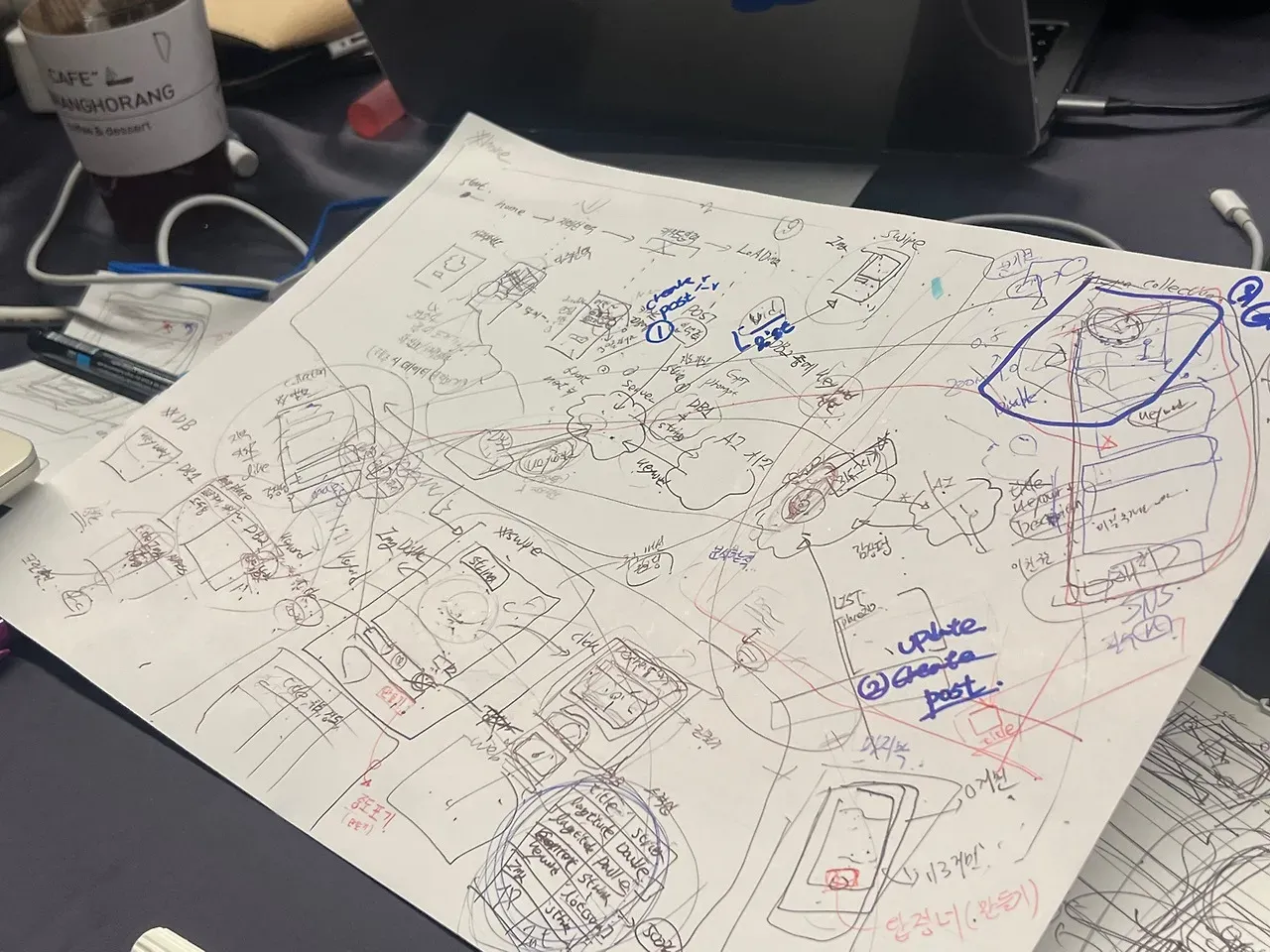
After that, we took a team photo and the beer party started. Of course a lot happened in between (we went to a cafe, talked about ourselves, and refined the idea), but the beer party is basically the last chance to socialize with lots of people until the hackathon ends. So talk a lot… and eat a lot. This is the only day you can really cash in on the romance. We wrapped up a rough plan that night, and I went to sleep, but our planner stayed up and turned the scribbles below into a flowchart. As expected of a planner, haha.
3️⃣ Day
As soon as I woke up, we split roles and started building. I took charge of cards and generative AI. We used a super tasty package (shoulders of giants) that already implemented a Tinder-style swiping UI, and since it depended on react-spring, I customized the card flip behavior by digging through the docs and tailoring it to my taste. At first, we tried to communicate directly with OPENAI from the backend, but it didn’t work out, so we moved it to the frontend. I also personally wanted to use Langchain directly in the project. And I worked with jsx for the first time in ages, which was honestly painful. Still, it was a good choice for moving fast without thinking too hard about types.

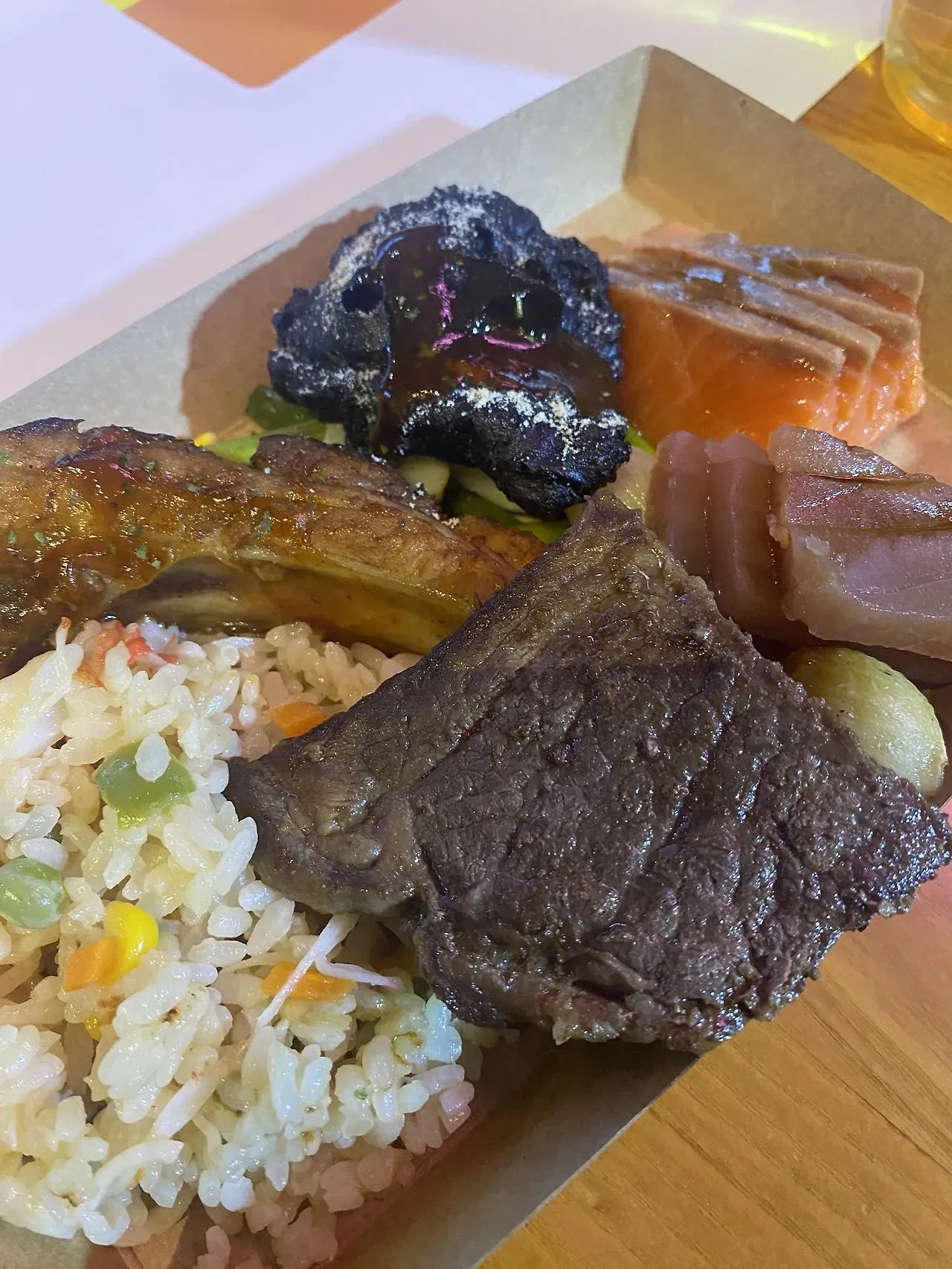
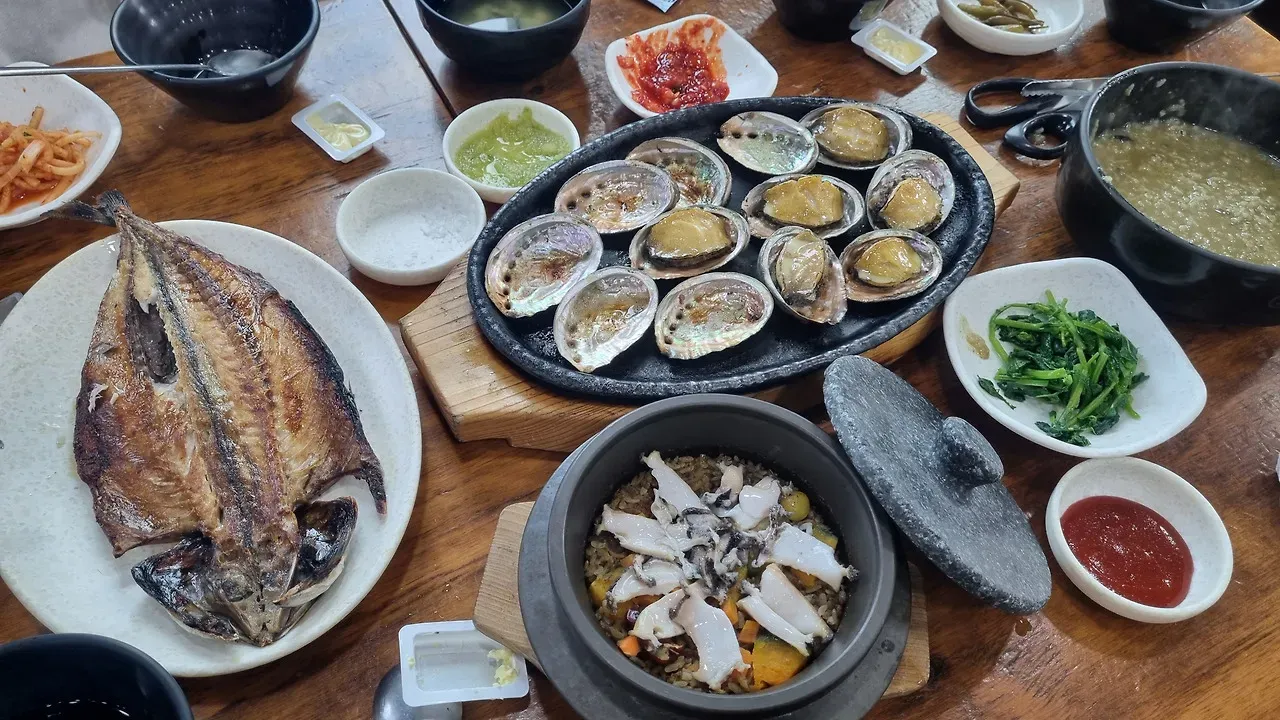
Time flew by at Goormthon. It felt like I didn’t do much, but the hours kept melting away. I think I drank 3-4 cups of coffee on day 3 alone. The food they provided was great too. I ate mackerel until I was sick of it, and whenever I felt hungry, something kept showing up, haha.
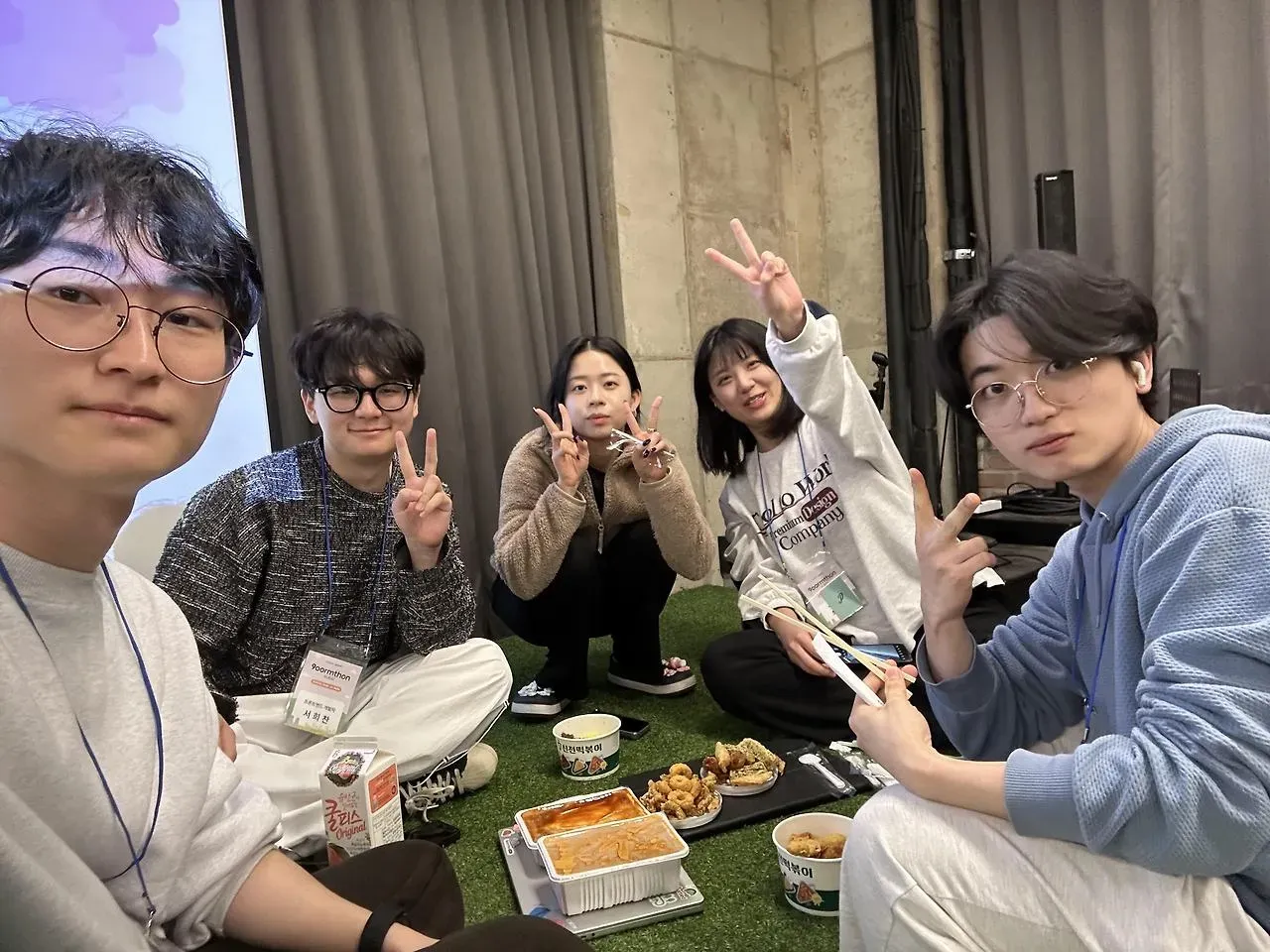

Whenever our butts started hurting, we’d go for a walk after dinner. (Me slowly losing it.)
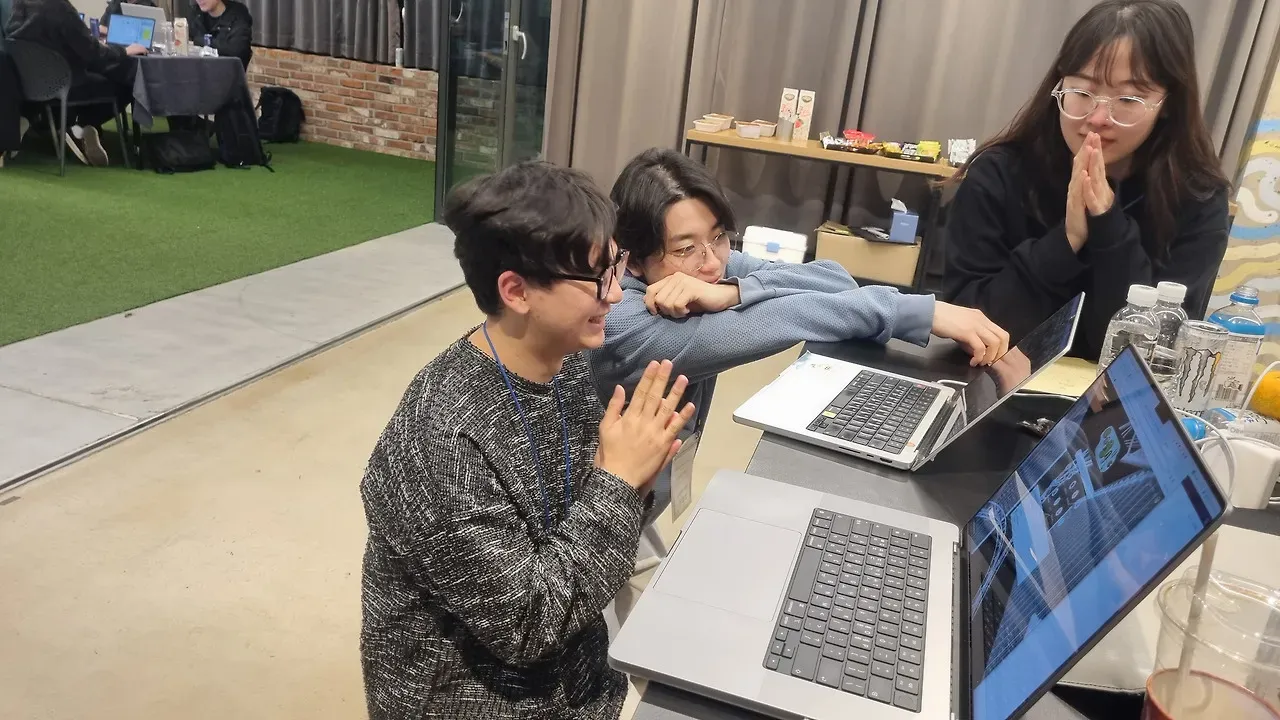
The big frontend deployment…! Our team lead, god 희찬, pulled it off with heroic debugging… A lot of teams struggled with Clampholin, and I can’t even count how many times we tried and prayed. lol
4️⃣ Day
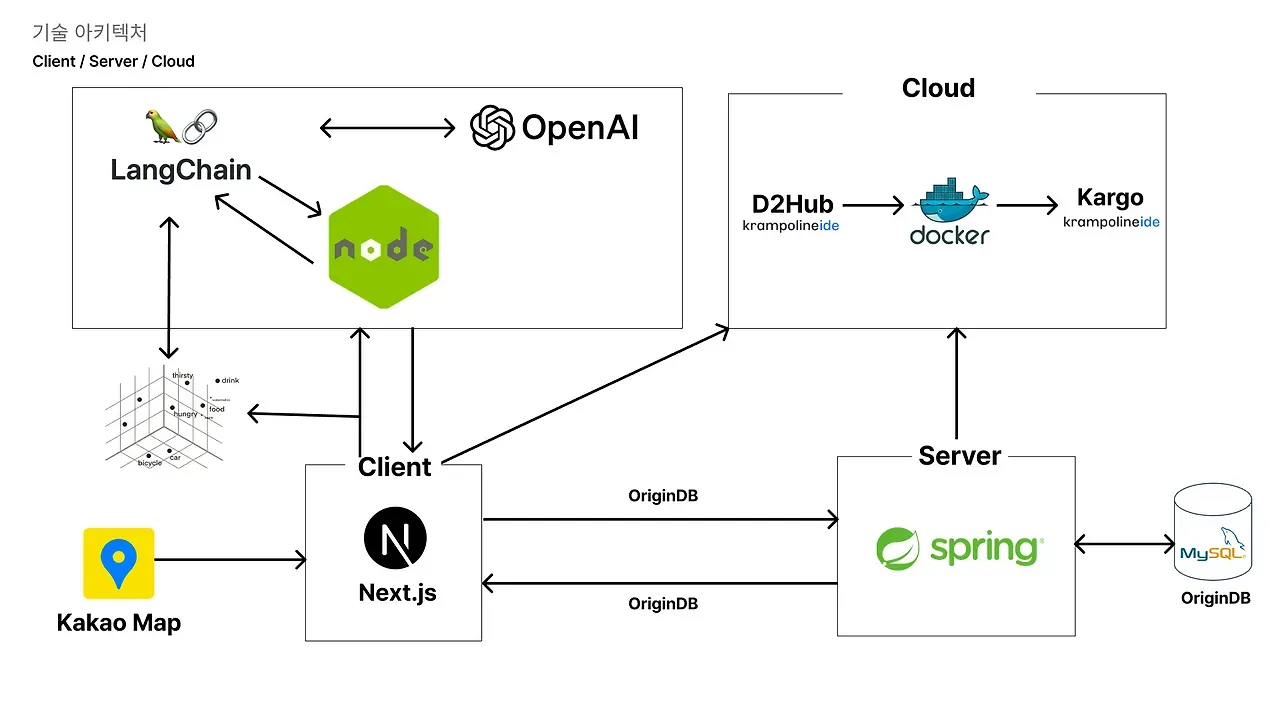
I think I started the generative AI work late at night going into day 4. Before going full throttle, we wanted to differentiate from other teams, so we decided to embed our project data, build a vector database at build time, and let OPENAI pull Context from it. That way we could talk about expected benefits like reducing hallucination and improving Data modernization. We chose Local storage rather than an external vector DB because we were told that Clampholin prefers avoiding external DB communication. I already had hands-on experience with Langchain, so it wasn’t too hard. Honestly, the dataset wasn’t huge, so we could have just passed everything to OPENAI when asking a Question, but structurally this felt right.
We implemented two things:
- Take a natural-language input and return three relevant keywords from our keyword set
- Evaluate a place the user selects and transform the result’s title and content into something fun
Right around when I was starting to lose it
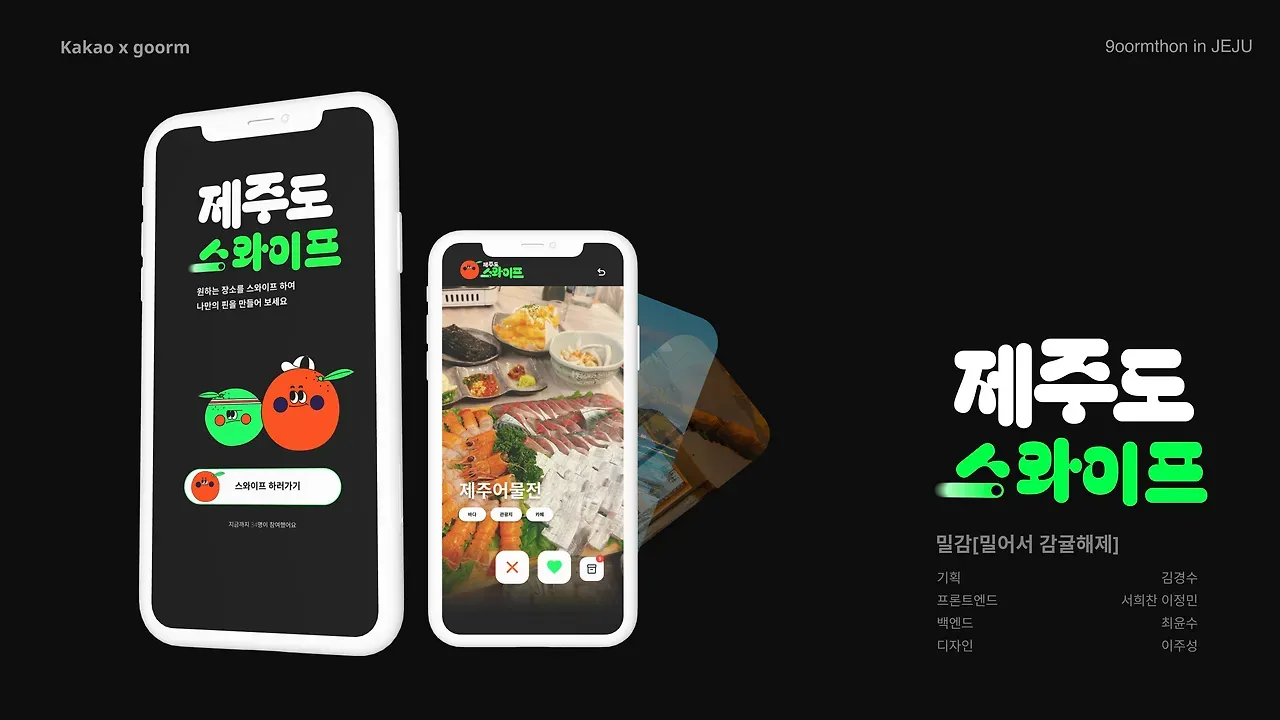
And then we finally gave our presentation. The slides from designer 주성 and planner 경수 were beautiful. I was like, wait, is our service really this cool? lol
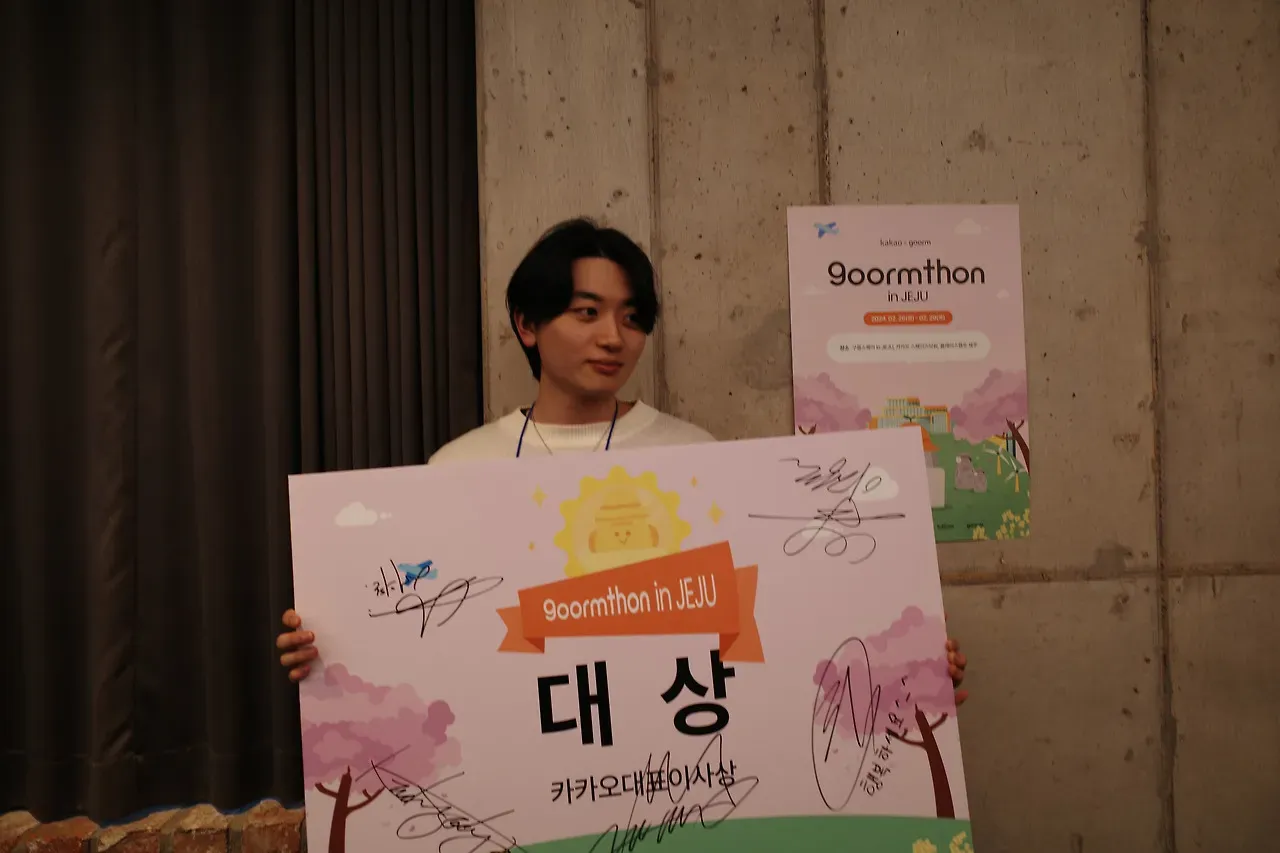
And then we…! We took 1st place.
Our 밀감 team, where no one was lacking and everyone did their best and even grabbed the romance. It was my first hackathon, and I feel like I got insanely lucky.
Afterparty
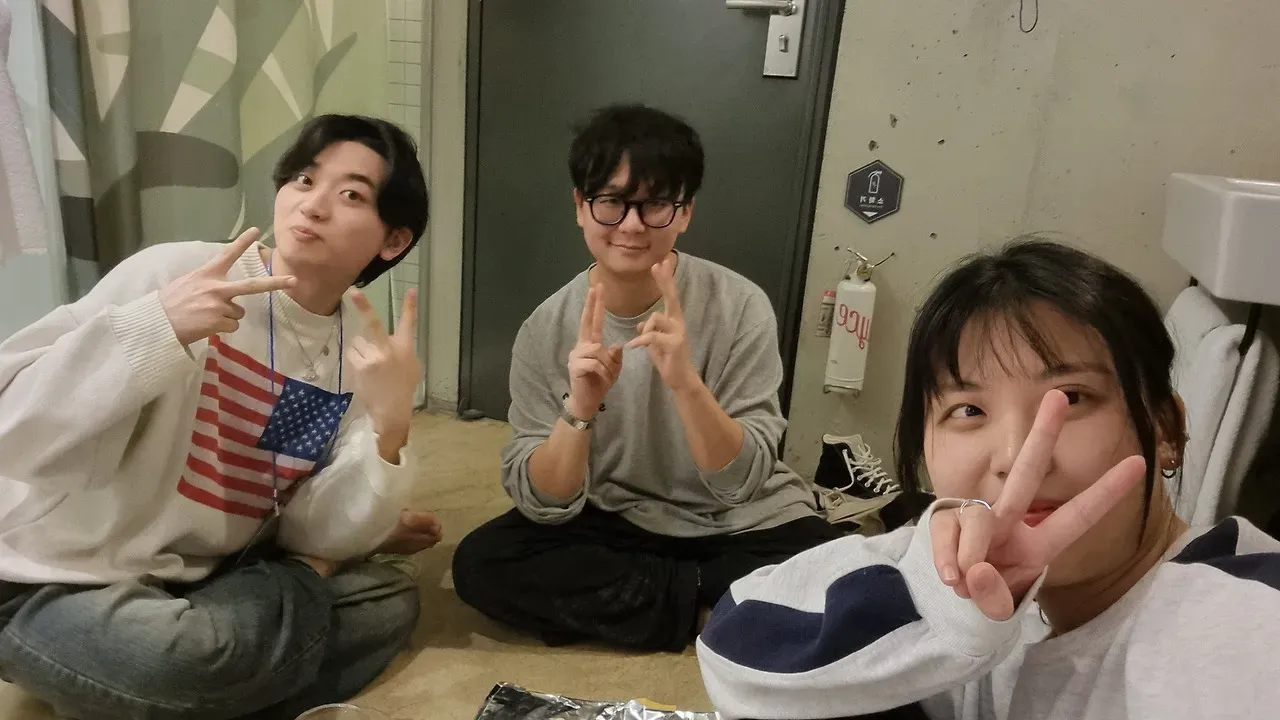
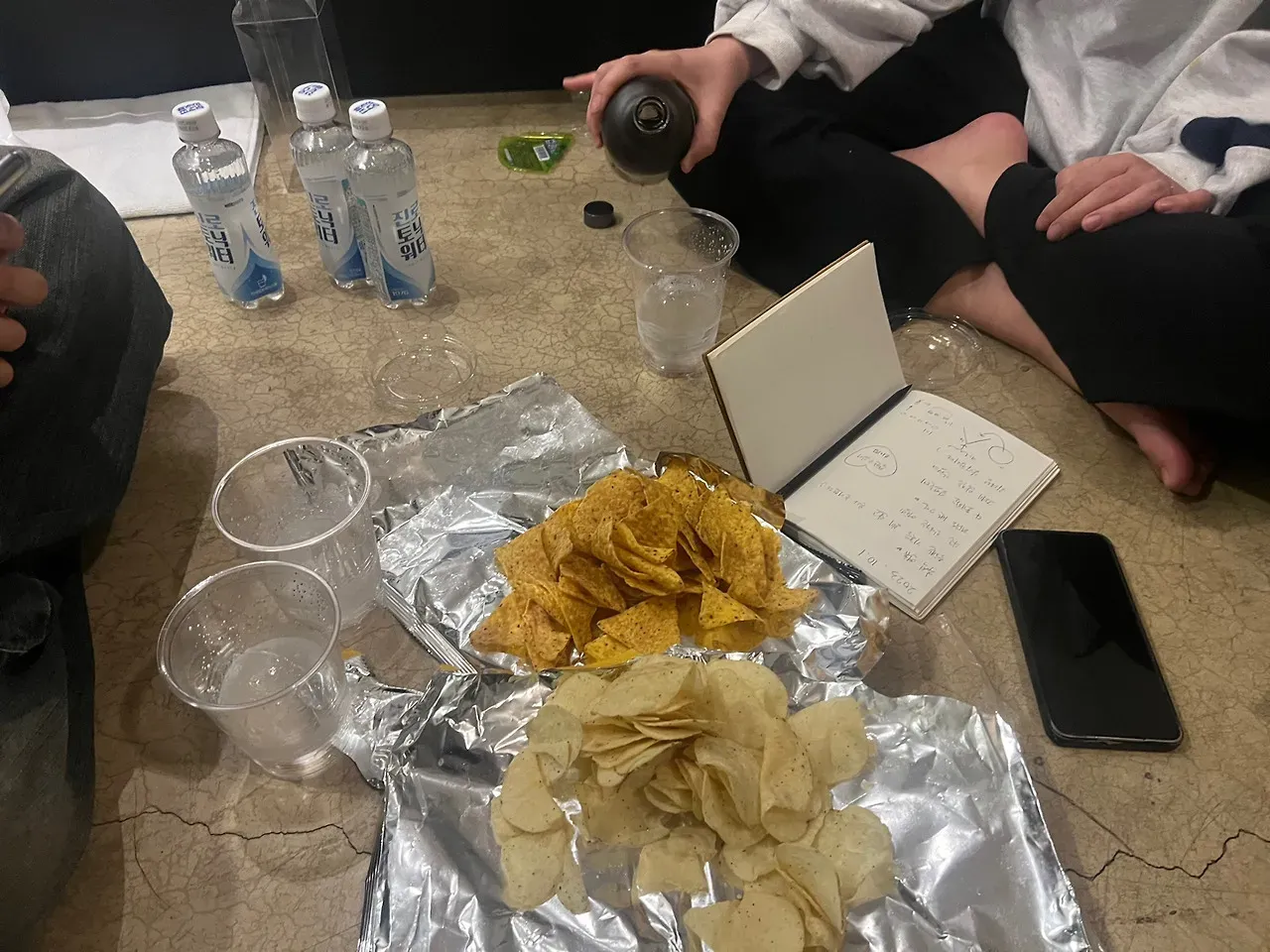
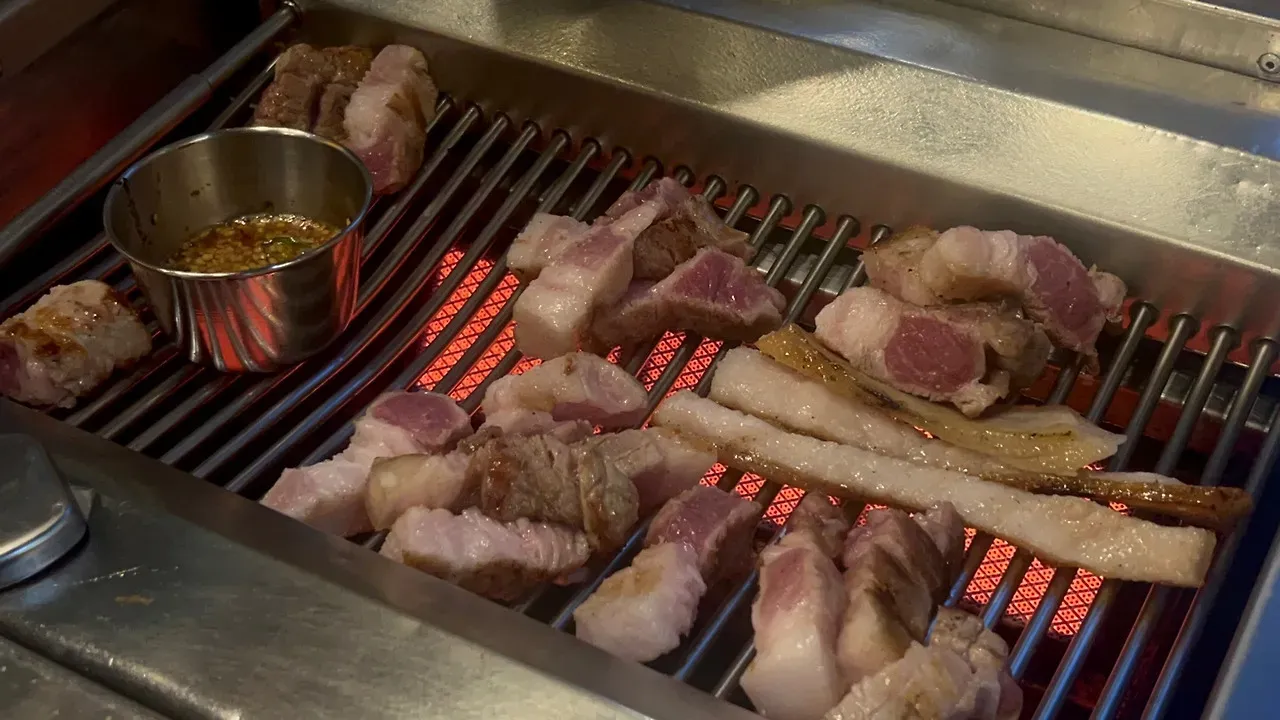
After the presentations and awards, those who had to leave did, and the rest of us had dinner together, then kept eating, drinking, sleeping, and eating again until the next day. We got to hear stories we didn’t know about each other, and I felt like we met great people beyond just teammates. It was awesome.
Closing thoughts
I don’t think I’ve ever had such a dense collaboration in such a short time (and in Jeju, no less). And I wonder if there will be another hackathon where people from so many roles and similar career stages gather like this. I wanted to talk to more people, and if we had more time, I kept wishing we could level up our project further. If someone is considering Goormthon, I would recommend it without hesitation. I took 4 days of PTO to come, but if you’re a working adult, I think you should come even more. The outcome was great, and it became a huge motivational boost for me. It also reminded me that building things is fun. One more good news: our 밀감 team plans to take this MVP and actually turn it into a real service.
What I wish had been better
There wasn’t anything hugely disappointing, but if I had to pick: the mentors were all full-stack developers, but it felt more like backend developers who can also do frontend. I also aim for full-stack, but I couldn’t ask the frontend-specific questions I had, which was a bit of a bummer. The Clampholin IDE was also a bit lacking. If there had been clearer guidelines or a stronger boilerplate when we first started the project, I think every team would have struggled less. Also, it would be nice if Goormthon had laptop stickers. lol